

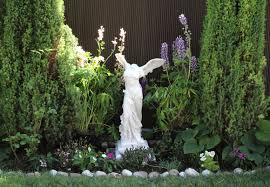
Creating a visually engaging and personalized outdoor space requires more than just plants and landscaping. Garden ornaments, particularly garden statues, can serve as striking focal points, enhancing the overall design and ambiance of your yard. Statues allow homeowners to infuse personality, style, and creativity into their gardens while complementing the natural beauty of flowers, shrubs, and greenery. With a wide range of materials, styles, and themes available, garden statues can transform even the simplest outdoor space into an elegant, inviting retreat.
Why Incorporate Garden Statues into Your Outdoor Design?
Garden statues are more than decorative objects—they elevate the visual appeal and functional dynamics of your outdoor space. Studies indicate that thoughtfully designed gardens with ornamental elements are 30% more likely to encourage relaxation and outdoor activity among residents. Statues can draw attention to specific areas, create symmetry or balance, and serve as conversation pieces during social gatherings.
Additionally, statues can highlight key features such as flower beds, pathways, or water elements. By strategically placing a statue, homeowners can guide visitors’ attention, create visual interest, and ensure the garden feels cohesive and thoughtfully curated.
What Types of Garden Statues Are Popular?
Modern garden design offers a variety of statue styles to suit different tastes and garden themes. Some popular options include:
- Classical Statues: Inspired by historical art, these pieces often depict human figures, angels, or mythological characters.
- Animal Statues: Sculptures of birds, deer, or exotic animals add a naturalistic touch and enhance the wildlife theme.
- Abstract or Contemporary Art: Unique geometric shapes or modern designs introduce creativity and innovation to the garden.
- Religious or Spiritual Figures: Buddha statues, saints, or other spiritual symbols create serene focal points and promote mindfulness.
- Functional Statues: Some statues double as fountains, birdbaths, or planters, combining aesthetic appeal with practical use.
Surveys of landscaping enthusiasts show that gardens incorporating statues or ornamental focal points are rated 35% higher in visual appeal compared to gardens without such features.
How to Choose the Right Garden Statue
Selecting the right statue involves consideration of style, scale, and material. Homeowners should match the statue to the overall theme of their garden, whether it is classic, modern, rustic, or eclectic. Size and proportion are key—oversized statues can dominate small gardens, while tiny pieces may go unnoticed in expansive landscapes.
Material selection is also important. Durable options like stone, metal, or resin withstand weather conditions and maintain their appearance over time. Some materials, such as ceramic or wood, require more maintenance but can offer a unique aesthetic. Placement should be strategic, ensuring the statue complements existing elements rather than obstructing pathways or plantings.
How Can Garden Statues Enhance Outdoor Aesthetics?
Garden statues introduce structure, texture, and focal points to outdoor areas. They can break up monotonous landscapes, create vertical interest, and provide contrast against natural greenery. For example, a bright or metallic statue can stand out against lush foliage, while a stone sculpture can blend harmoniously with rocks and pathways.
In addition to visual enhancement, statues can guide the flow of movement in the garden. Placing a statue at the entrance or along a walkway encourages visitors to explore the space, creating an engaging experience. Research shows that outdoor spaces with multiple focal points, including statues, receive higher satisfaction ratings from visitors and homeowners alike.
What Role Do Garden Statues Play in Creating Ambiance?
Garden statues contribute significantly to the mood and ambiance of outdoor spaces. Classical or spiritual statues promote tranquility, while abstract or whimsical designs encourage creativity and playfulness. Incorporating water features or lighting around statues can enhance the sensory experience, creating a serene or dramatic effect depending on the placement.
Well-chosen statues also support mindfulness and relaxation. Spending time in aesthetically pleasing outdoor environments has been shown to reduce stress, improve focus, and enhance overall well-being. By selecting statues that resonate personally, homeowners can create spaces that foster calm, inspiration, and joy.
How to Maintain Garden Statues
Maintenance ensures that statues remain visually appealing and structurally sound. Key tips include:
- Regular cleaning to remove dirt, moss, or debris.
- Inspecting for damage or wear, particularly in delicate materials.
- Protecting from harsh weather, such as covering or moving statues indoors during winter months.
- Using appropriate sealants for stone or resin statues to extend longevity.
Proper care allows statues to maintain their beauty and contribute to garden design for years, enhancing both aesthetics and investment value.
Conclusion
Garden statues are transformative elements in outdoor design, combining beauty, personality, and functionality. By incorporating garden statues into your landscape, you can create visual interest, establish focal points, and elevate the overall aesthetic appeal of your outdoor space.
From classical to modern, spiritual to abstract, statues allow homeowners to express creativity and craft inviting, harmonious gardens. With careful selection, strategic placement, and proper maintenance, garden statues provide lasting value, turning ordinary yards into spaces of elegance, inspiration, and enjoyment.